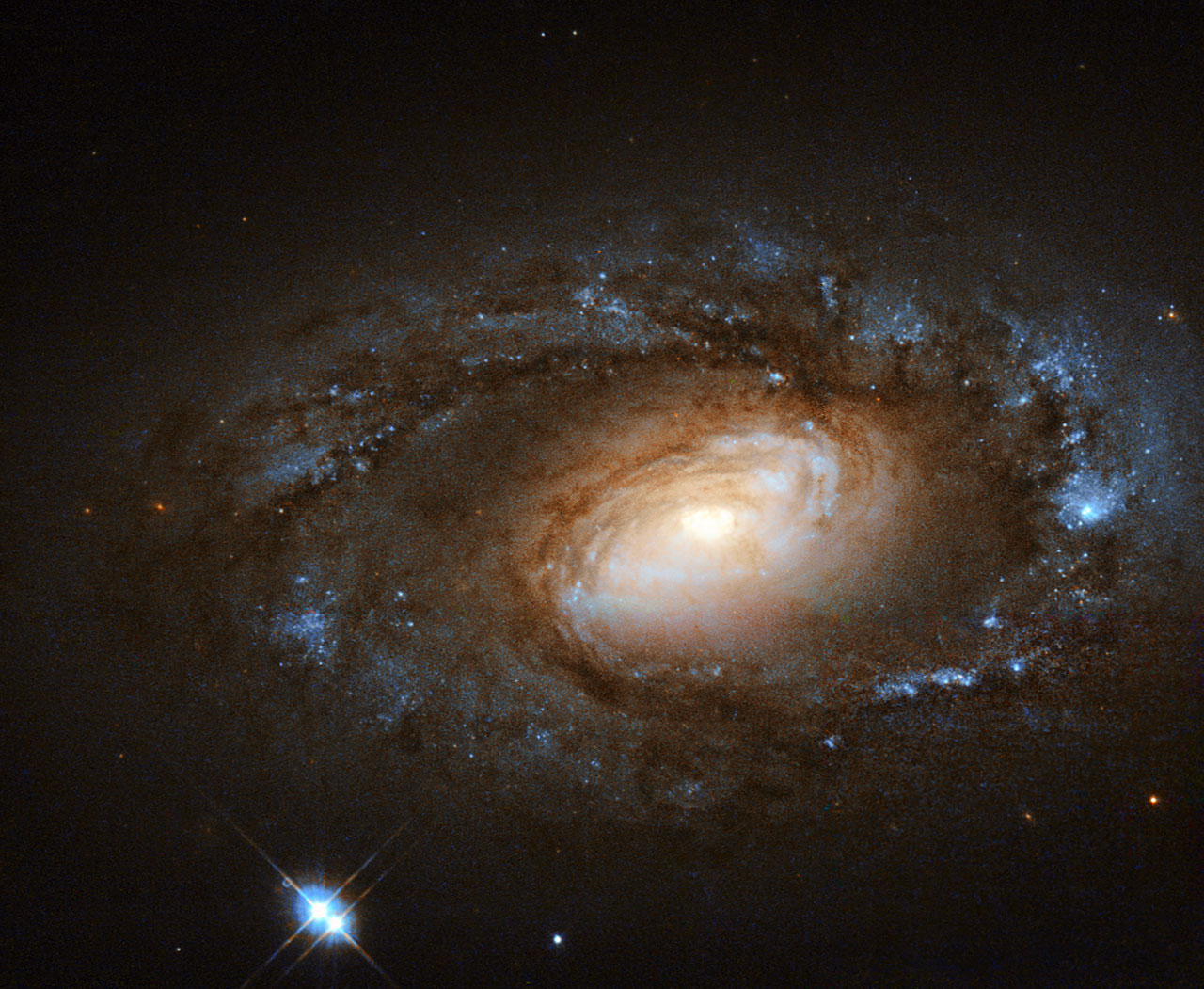
One of the joys of camping in the countryside is the chance to look up and enjoy a starry sky. A sky that is often hidden to city-boys like me, where it’s general hard to enjoy the heavens because of all the visual pollution. Out in the open, in the countryside, it’s different. Looking up to the starry sky always lifts my mind and heart to God, and reminds me of two scripture texts: the promise to Abraham (Gen 15,5), and Psalm 8, which I suggest for today’s lectio.
Before moving on to the lectio itself, it is good to start by reading the text a first time in your Bible or online [here on biblegateway.com NRSV]. It may also be useful to consider some suggestion on how to pray. And, of course, if you have the chance, you might want to pray under a starry sky …
Lectio
Having done a first prayerful reading of the text, we can look in more detail at the single verses.
To the leader: according to The Gittith. Psalm. Ancient texts did not have titles or subtitles, and the title verse (verse 1 in some editions) served this purpose. It gives musical indications to the leader, which melody it follows — a psalm (< Greek) or mizmor (in Hebrew), is accompanied by musical instruments.
of David. In Hebrew, this indication is ambiguous: meaning to/of/belonging to David. Ancient tradition attributes many psalms to King David, often represented with the harp in hand.
[1] O Lord, our Sovereign. The Lord here is the proper name YHWH, the tetragrammaton that remains unpronounced out of respect for the holy name (and by ancient custom, rendered as Adonai = Lord).
how majestic is your name in all the earth! / You have set your glory above the heavens. The psalmist here uses a typical parallelism. Moreover, heaven and earth encompass the totality of creation (as in Gen 1,1). This first verse serves as an antiphon, repeated as the final verse [9].
[2] Out of the mouths of babes and infants. The Lord choose the weakest, the most vulnerable, not the mighty, to show his power.
[3] When I look at your heavens, the work of your fingers, / the moon and the stars that you have established. Contemplating the heavens, the psalmist recalls the creative power of God, offering also the context for the following verse.
[4] what are human beings that you are mindful of them, / mortals that you care for them? Contemplating creation, the psalmist recognises the insignificance of humanity, and marvels at the care that God shows us. The same notion, almost word for word is found Psalm 144 (143),3.
[5] Yet you have made them a little lower than God, and crowned them with glory and honour. The Hebrew text may be read in the singular (than God), or in the plural (than the gods). The ancient Greek translation, to avoid any possible ambiguity and polytheistic understanding, translates than the angels.
[6] You have given them dominion over the works of your hands; / you have put all things under their feet. The second part of the verse reinforces the first. This gesture, which we (rightly) see as violent by our sensibilities, was habitual in antiquity to indicated sovereignty and lordship.
[7-8] all sheep and oxen … the paths of the seas. The different categories of animals (domestic, wild), birds and fish, underline the totality of what is placed in humanity’s hands.
[9] O Lord, our Sovereign … Verse 9 repeats the first verse, forming an inclusive structure, with a sort of antiphon at the beginning and end of the psalm.
Meditatio
Before moving into meditation, it helps to re-read the psalm, enriched by the different comments, and other elements that may have emerged from your first reading. The psalm offers a number of point to reflect on:
- When I look at the heavens, at creation, nature, am I drawn to God my creator? Do I manage to do spiritual scouting, letting the traces lead me to God?
- How do I see myself — a human being, so small in the greatness of the cosmos — but loved and taken care of by God, in a personal manner? Do I live a personal relationship with God? If not, what holds me back?
- Do my fragility, my limits, distance me from God? Or do I recognise that God often allows that his power within me emerges right there, where I am weakest? Am I afraid to be vulnerable?
- How do I live my relationship of sovereignty over creation? Do I see that I — even within my limited sphere — have great responsibility over the creation entrusted to me? Do I do my part, even in small things, to take care of our “common home”? Do I lord it over creation, or do I live as a faithful steward/administrator over what what has been entrusted to me?
- Oh YHWH, our Sovereign! How great is your name! Do I find in me the same sincere gratitude and praise towards God?
Oratio
I then let my reflection transform itself into a one-to-one conversation with God. What would I like to say to the Lord? What word of praise or thanks? What grace or petition, what request for forgiveness? What do I find that the Lord is trying to tell me in my innermost heart? What word does God have for me?
Contemplatio
Word and reflection, then, are transformed into a rich silence: the silence of two friend or lovers, who do not need to express themselves in words. I stay in the presence of the Lord, enjoying his presence.
In conclusion, we can pray the Our Father.
Scripture quotations are from the New Revised Standard Version Bible, copyright © 1989 the Division of Christian Education of the National Council of the Churches of Christ in the United States of America. Used by permission. All rights reserved.
 Nova et vetera