[Italiano]
If the Eucharist is pledge, and the Passion is self-offering … Gethsemane is choice. Between two such powerful moments — as the Last Supper and the Cross — it is easy to underestimate the significance of this moment. A time of deep solitude, but great faithfulness. Our Lectio today will focus on this scene, in the Gospel according to St Mark (14,32-42).
Before moving on to any comment, it is important to first read the text calmly (here on bible.oremus.org). You may also find some suggestions on how to pray, here.
Lectio
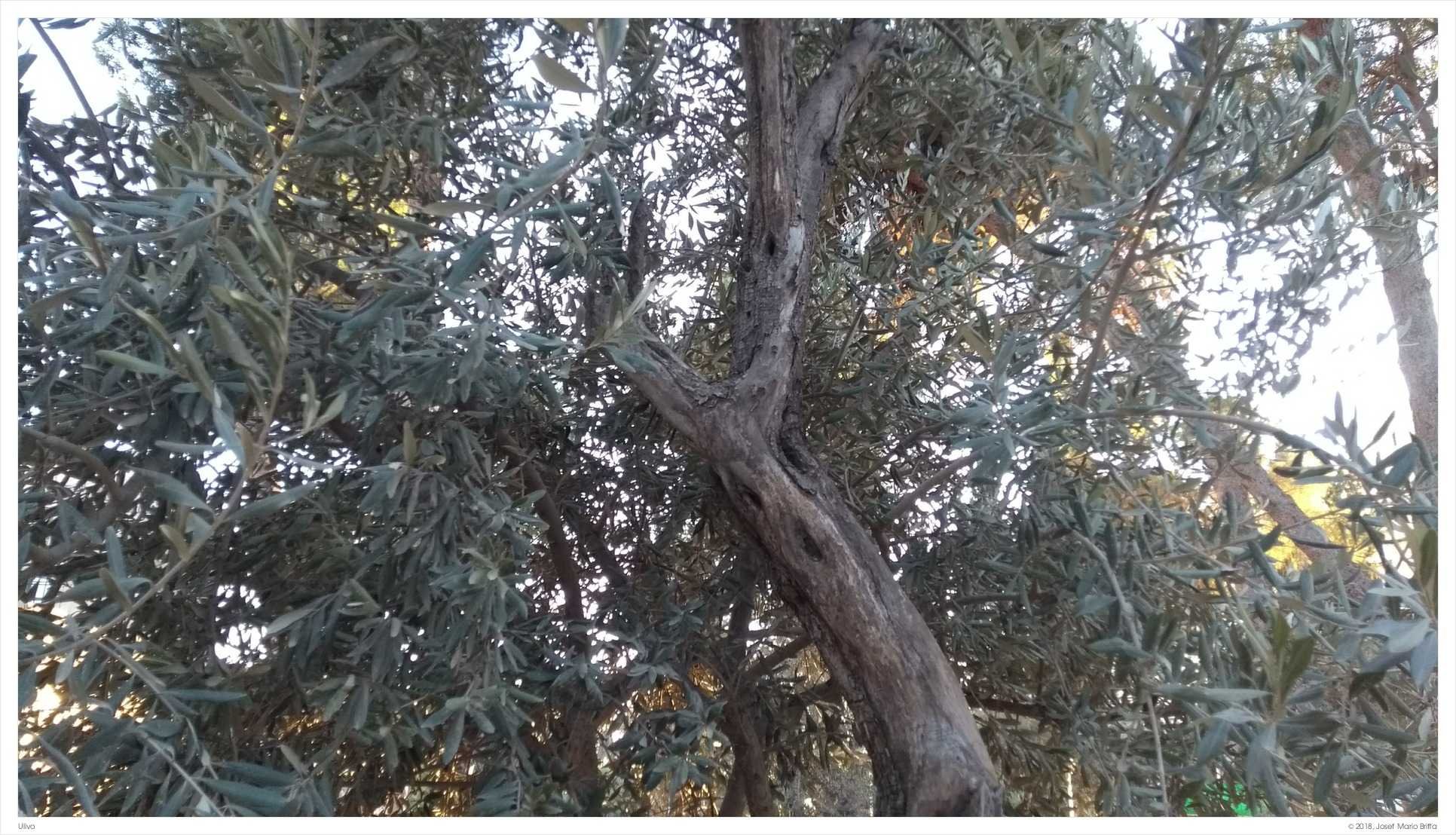
[32] They went to a place called Gethsemane. The name in Aramaic means oil press, which should not be surprising right at the foot of the Mount of Olives, right outside the city of Jerusalem, to the east. The place is on the road towards Bethphage and Bethany (the village of Martha, Mary, Lazarus and other disciples), and beyond to the desert of Judah, Jericho, and the Jordan Valley. The Mount of Olives is King David’s escape route when Absalom, his son, usurped the throne (2 Samuel 15,30).
[33] He took with him Peter and James and John. The same three disciples who were invited by Jesus to pray with him on the mountain of Transfiguration. One cannot survive the moment of Gethsemane without having seen the glory of God. It is important to treasure moments of spiritual consolation to live through moments of deep desolation.
[33-34] began to be distressed and agitated. The text here is quite strong, and even stronger are Jesus’ words: I am deeply grieved, even to death. It is the moment of profound desolation, of the deep anguish of temptation. Before him, the choice: to remain faithful, whatever the cost, or to escape, run away, save his skin. Capturing the full power of this moment is important for us to respect the fullness of the humanity of Jesus: this is not mere play-acting, the anguish is real, palpable.
[34] remain here, and keep awake. Jesus invitation to the three disciples is simple: keep watch (and pray)!
[35] going a little farther, he threw himself on the ground. Praying prostrate, on the bare earth, a gesture of profound humility.
[35] prayed that, if it were possible, the hour might pass from him. The hour is central to the theology of John’s Gospel, but is not less important here. The hour is the hour of the passion, the hour of self-giving, the hour of fulfilment.
[36] “Abba, Father, for you all things are possible; remove this cup from me …” It may be tempting to reduce the force of this prayer: after all — we may say — Jesus is true God. Yet, for Christ too is it hard to accept the cup of suffering before him, and the darkness it entails. Praying God to remove suffering away from us is not a sign of lack of trust in God!
[36] “… yet, not what I want, but what you want.” The other side of the coin, which complements the previous request, is the total submission to the Father’s will, with the same trust that the Father is all powerful, even when — like Christ — the moment is one of profound darkness.
[37] He came and found them sleeping … “Simon, are you asleep? Could you not keep awake one hour?” They neither kept watch, not prayed. Jesus, I imagine, feels radically alone.
[38] “Keep awake and pray that you may not come into the time of trial” Jesus here here explain the reason for prayer, and its content.
[38] “the spirit indeed is willing, but the flesh is weak” Here, the flesh indicates human frailty and its limits.
[40] they did not know what to say to him. Confronted with our own limits, it is often hard to explain them. Every excuse become meaningless.
[41] “The hour has come“. These words marks a moment of transition. The hour is clearly that of the Passion, as in [35].
[41] “the Son of Man is betrayed into the hands of sinners.” The verb betrayed here is in the passive. But who really hands Jesus over? Is it Judas Iscariot, who materially hands Jesus over to the authority? Or the will of the Father and the choice of the Son?
[42] “Get up, let us be going. See, my betrayer is at hand.” Concluding this scene is the choice. It is worth nothing that Jesus actively goes toward his betrayer, not simply waiting and passively submitting.
Meditatio
Before moving on to some questions for reflection, it is good to re-read the Gospel passage, now enriched by the different comments.
- Where, in my life, have I lived through moment of darkness, even profound darkness? What helped me live through those moments?
- Do I pray regularly? Do I pray in moments of deep anguish? Do I pray in moments of joy?
- Where to the words “the spirit indeed is willing, but the flesh is weak” ring true in my own life?
- Do I trust in God, particularly in moments of darkness? Do I believe that God is with me, even when I do not feel his presence?
- Is there some radical choice in my life where I feel I have escaped, rather than taken the right and necessary decision? Or a place where I have remained faithful in spite of difficulties?
Oratio
I let my reflections slowly become conversation. What to I find within me that the Lord is trying to say to me? What would I like to say — in great freedom — to the Lord? What word of praise or thanksgiving? What would I like to ask pardon for? What grace would I like to ask for?
Contemplatio
I stay in the presence of the Lord. I keep watch, in silence, with Him, allow my prayer to become a prayer of presence.
At the end, I pray the Anima Christi:
Soul of Christ, sanctify me
Body of Christ, save me
Blood of Christ, inebriate me
Water from the side of Christ, wash me
Passion of Christ, strengthen me
O good Jesus, hear me
Within thy wounds hide me
Permit me not to be separated from thee
From the wicked foe defend me
At the hour of my death call me
And bid me come to thee
That with thy saints I may praise thee
For ever and ever. Amen.
Scripture quotations are from the New Revised Standard Version Bible, copyright © 1989 the Division of Christian Education of the National Council of the Churches of Christ in the United States of America. Used by permission. All rights reserved.
 Nova et vetera
[…] [English] […]